
 VINS.
VINS.
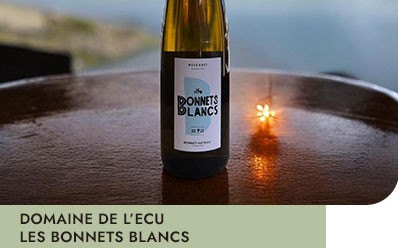
 LANGUEDOC/ROUSSILLON.
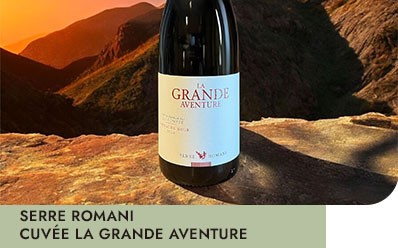
 RHÔNE.
 BOURGOGNE.
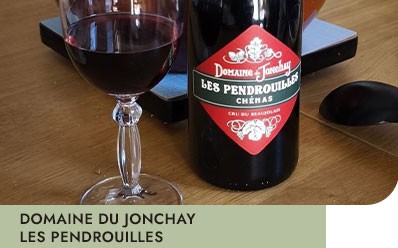
 OTHER REGIONS
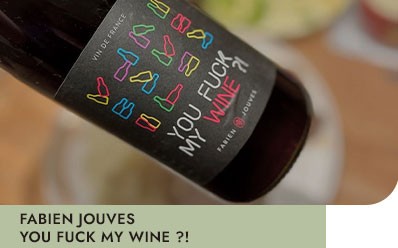
 CHAMPAGNES.
 SPIRITS

Scotch Whisky and Japanese Whisky
The name commonly used to qualify whisky from Scotland is Scotch whisky.
In general, five large regions are distinguished, each producing very recognizable whiskies:
the Spey Valley (Speyside) in the northeast is the most important production region, and produces subtle and refined whiskies (examples: Glenlivet, Glenfiddich)
the Highlands in the north give more robust and assertive whiskies (examples: Glenmorangie, Oban, Balblair or Old Pulteney)
lowlands south (examples: Auchentoshan, Glenkinchie)
islands offer very typical whiskies.
islay Island has eight active distilleries (Lagavulin, Laphroaig, Bowmore, Ardbeg, Kilchoman or Caol Ila, etc.)
the island of Jura has a distillery : Isle of Jura
skye Island has a distillery: Talisker
the island of Mull has a distillery : Tobermory
the Orcades Islands have two distilleries: Highland Park and Scapa
Campbeltown
Of the 32 distilleries that existed in Campbeltown, only three remain: Glen Scotia, Glengyle and Springbank
Japanese whisky production began around 1870, but the first commercial production took place in 1923 when the country's first distillery, Yamazaki, was created.
Several distilleries produce whisky in Japan. The best known and most important are Suntory and Nikka. They produce and market both single malt and blends.
Linked products

Glen Moray Single Malt Scotch Whisky
Made in the heart of Speyside, Glen Moray Classic Peated is aged in old bourbon casks. The bourbon casks add spicy notes to this intense and slightly smoky express...
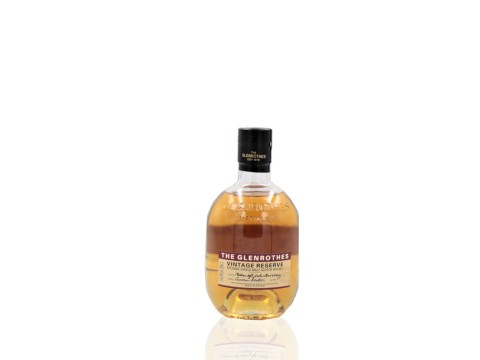
The Glenrothes Vintage Reserve Speyside...
Vintage reserve, speyside single malt scotch whiskey, 70 cl 40% vol The distillation is exceptionally slow and takes place in large stills, which gives a sweet an...
- Rupture de stock

Worthy Park 2006 Single Estate Reserve
Worthy Park's first official vintage bottling Subtle nugget of candied fruits and fine woody notes The fruit dominates (pineapple, pear, red fruit notes, ...), t...
- Rupture de stock
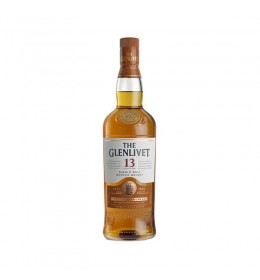
The Glenlivet 13 Year Old First fill...
Through this French exclusivity, The Glenlivet distillery offers us all its know-how, in an accessible way for a 13 year old, with a smooth, rich and fruity Single...
- Rupture de stock