Château de Figuières
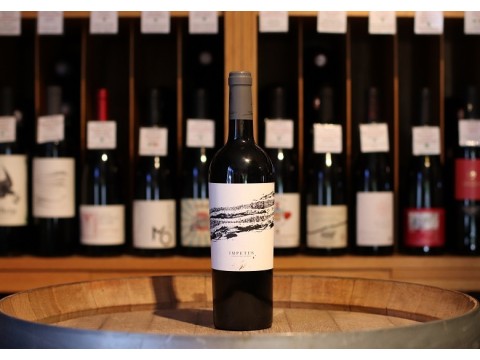
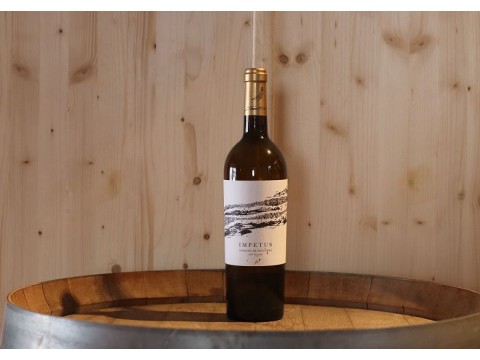
Impetus blanc
Minerality is expressed with precision. The aromatic depth of this wine prompts respect. Surprising on the palate with its silky attack.
Château de Figuières
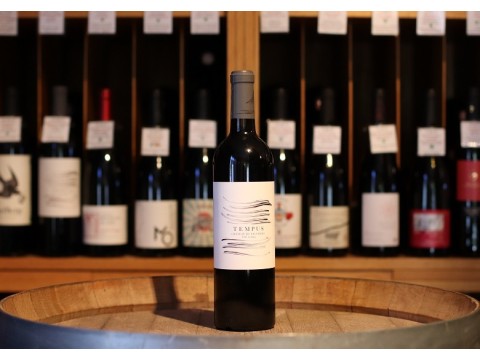
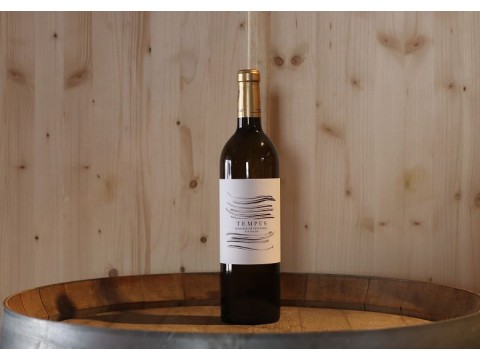
Tempus blanc
On the nose, floral aromas. An elegant nose revealing aromas of pear and citrus. On the palate, it is a refreshing wine with a beautiful, lingering finish.
Château de Figuières is a wine estate situated in the heart of the Massif de la Clape, near Narbonne, in the Languedoc region. Set at an altitude of 150 metres, it enjoys a Mediterranean climate ideal for growing vines, with warm, sunny days and cool nights thanks to its proximity to the sea.
History and terroir:
Vines have been grown on this site since Roman times. Following the phylloxera epidemic at the end of the 19th century, the vineyards were replaced by pastureland. It was not until 1980 that a group of passionate winegrowers replanted the estate, breathing new life into Château de Figuières.
The terroir consists of marl and marl-limestone soils dating from the Cretaceous period, enriched by erosion from the surrounding limestone plateau.
Wines and winemaking:
The grape varieties used include Syrah, Grenache, Carignan and Mourvèdre for the reds, as well as Roussanne and Viognier for the whites.
Winemaking is carried out on a plot-by-plot basis, with controlled yields of around 30 hectolitres per hectare. Each plot is vinified separately in order to highlight the unique expression of its terroir.
Environmental commitment:
The estate is situated within a Natura 2000 site, which is home to exceptional biodiversity. Currently transitioning to organic farming, it prioritises environmentally friendly methods, favouring manual work and respecting the natura

 VINS.
VINS.
 LANGUEDOC/ROUSSILLON.
 RHÔNE.
 BOURGOGNE.
 OTHER REGIONS

 CHAMPAGNES.
 SPIRITS