The Di Giulia estate, situated in Cupramontana in the Marche region, is a small family-run vineyard founded by Giulia Fiorentini. Nestled in the heart of the historic Verdicchio dei Castelli di Jesi appellation, the vineyard benefits from a climate tempered by the influences of the Adriatic Sea and the Apennines.
The vines, cultivated according to the principles of organic farming, grow on clay-limestone soils that enhance the wines’ freshness and minerality. The estate produces mainly Verdicchio, but also Montepulciano and Sangiovese.
Winemaking is artisanal and minimally interventionist: hand-harvesting, natural fermentation, limited use of sulphur and ageing methods designed to preserve the expression of the terroir. Di Giulia’s wines are distinguished by their authenticity, aromatic purity and strong sense of place.
Di Giulia
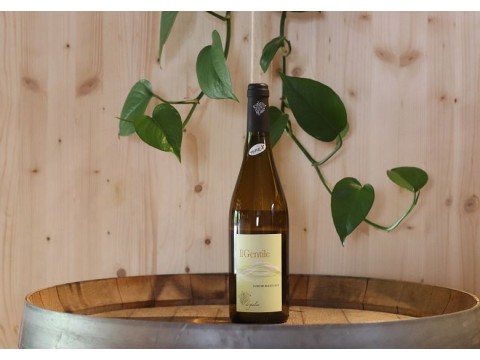
Il Gentile
White wine of great freshness, fragrant and tasty. Power and nervousness, without ever lacking precision. A wine with body, flavor and a fine finish that evokes almo...
Introduction to the Di Giulia Estate – Marche, Italy
The Di Giulia Estate is a micro-winery situated in Cupramontana, in the province of Ancona, in the heart of the Castelli di Jesi hills, the historic birthplace of Verdicchio in the Marche region. Founded in 2012 by winemaker Giulia Fiorentini, the estate was born out of a desire to produce artisanal wines deeply rooted in their terroir and crafted with respect for nature.
The terroir
The vineyard covers approximately three hectares facing east, at an altitude of 470 metres. This privileged location allows the vines to benefit from the combined influences of the Adriatic Sea and the Apennines, providing the coolness and temperature variation favourable to the slow ripening of the grapes.
The vineyard is managed according to the principles of organic farming: no herbicides or chemical fertilisers are used. Tillage is kept to a minimum and pest control relies primarily on copper and sulphur, in accordance with organic standards.
Winemaking
The winemaking process aims above all to express the identity of the vintage and the terroir. Oenological interventions are kept to a minimum, with limited use of sulphur and ageing practices that prioritise the purity of the fruit. Certain cuvées, such as ‘Il Grottesco’, involve prolonged skin contact, resulting in wines that are full of character, complex and textured.

 VINS.
VINS.
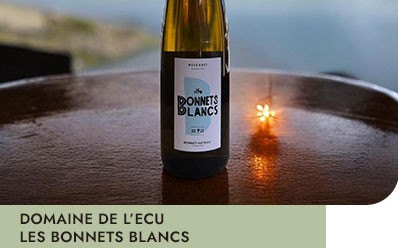
 LANGUEDOC/ROUSSILLON.
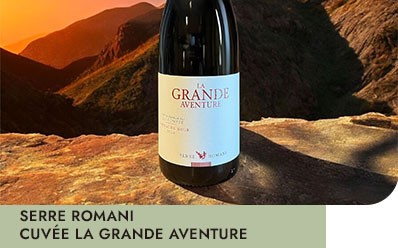
 RHÔNE.
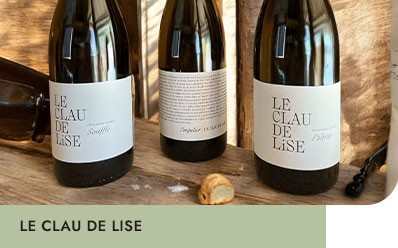
 BOURGOGNE.
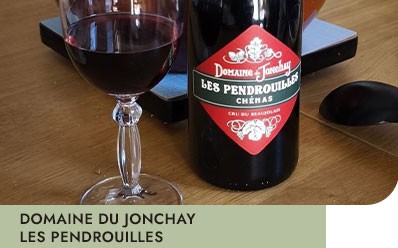
 OTHER REGIONS
 CHAMPAGNES.
 SPIRITS